Heating
Old furnace struggling or unsafe? Replace it with a high-efficiency system before winter — and stop overpaying to run it.
If your furnace is fifteen to twenty years old and starting to need parts, replacement is usually the better financial decision — and the safer one. Older mid-efficiency units run around 60–80% AFUE, meaning up to forty cents of every heating dollar goes up the vent. A modern condensing furnace runs 95–98%.
NorthPoint gives Toronto homeowners a straight comparison before you decide. We inspect the existing unit — heat exchanger condition, age, repair history, safety status — and quote both the repair and the replacement so you can see the real numbers instead of a sales pitch. Sometimes the repair genuinely is the right call, and we will say so.
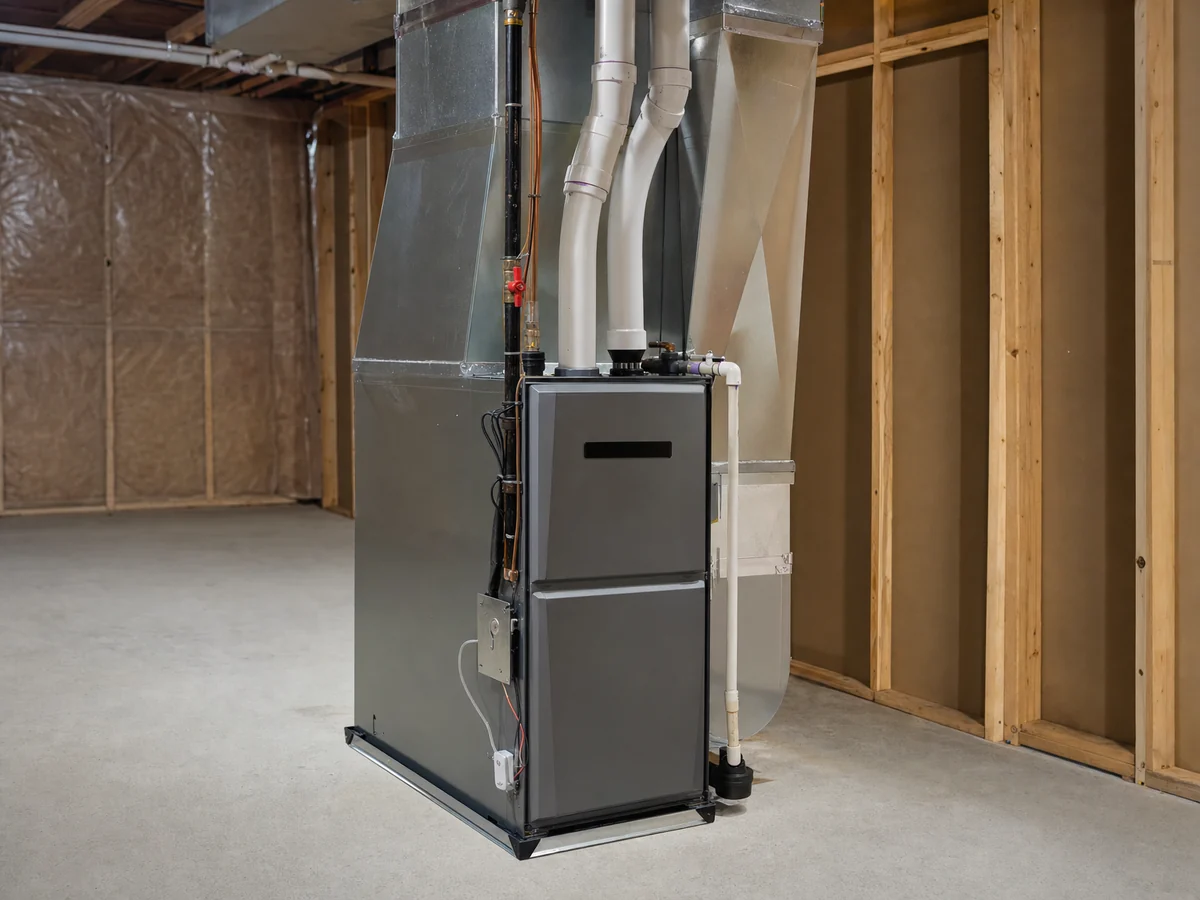
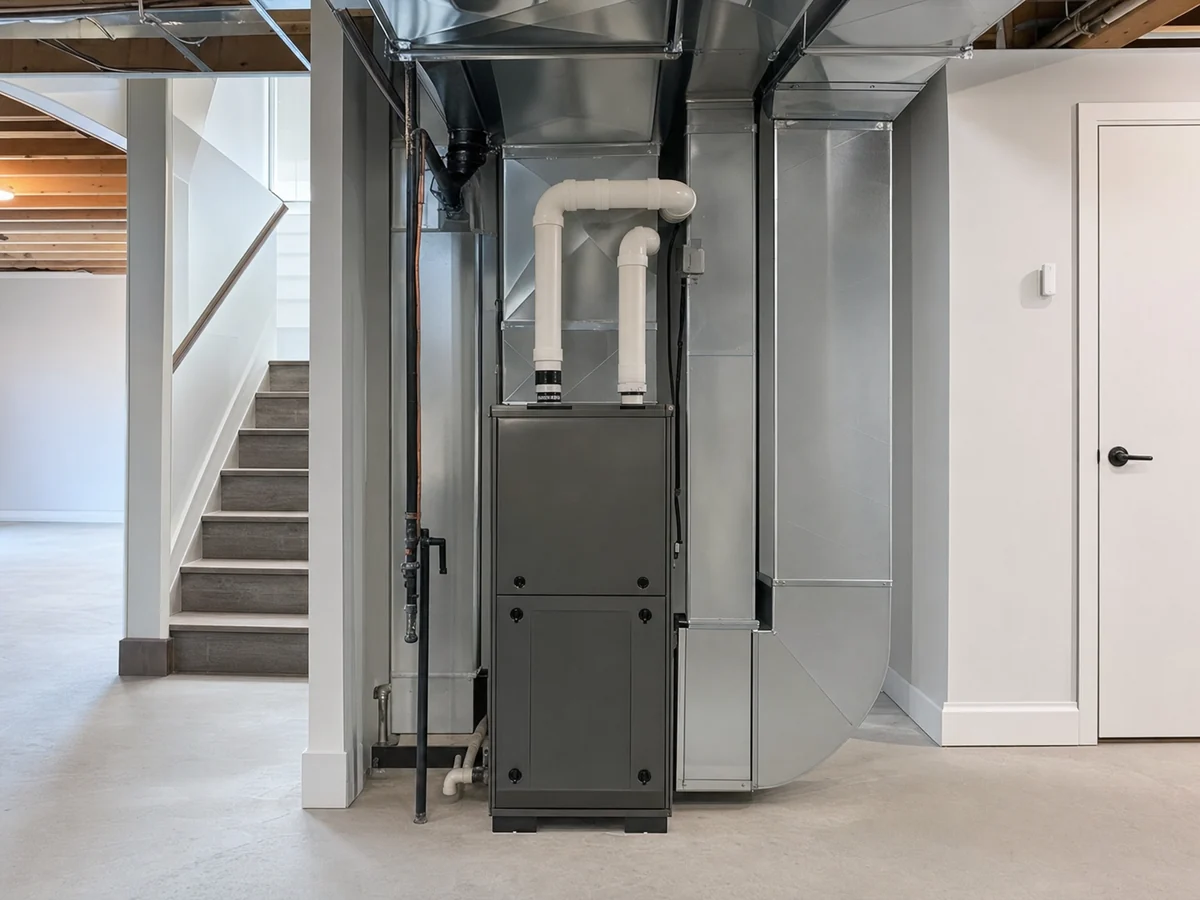
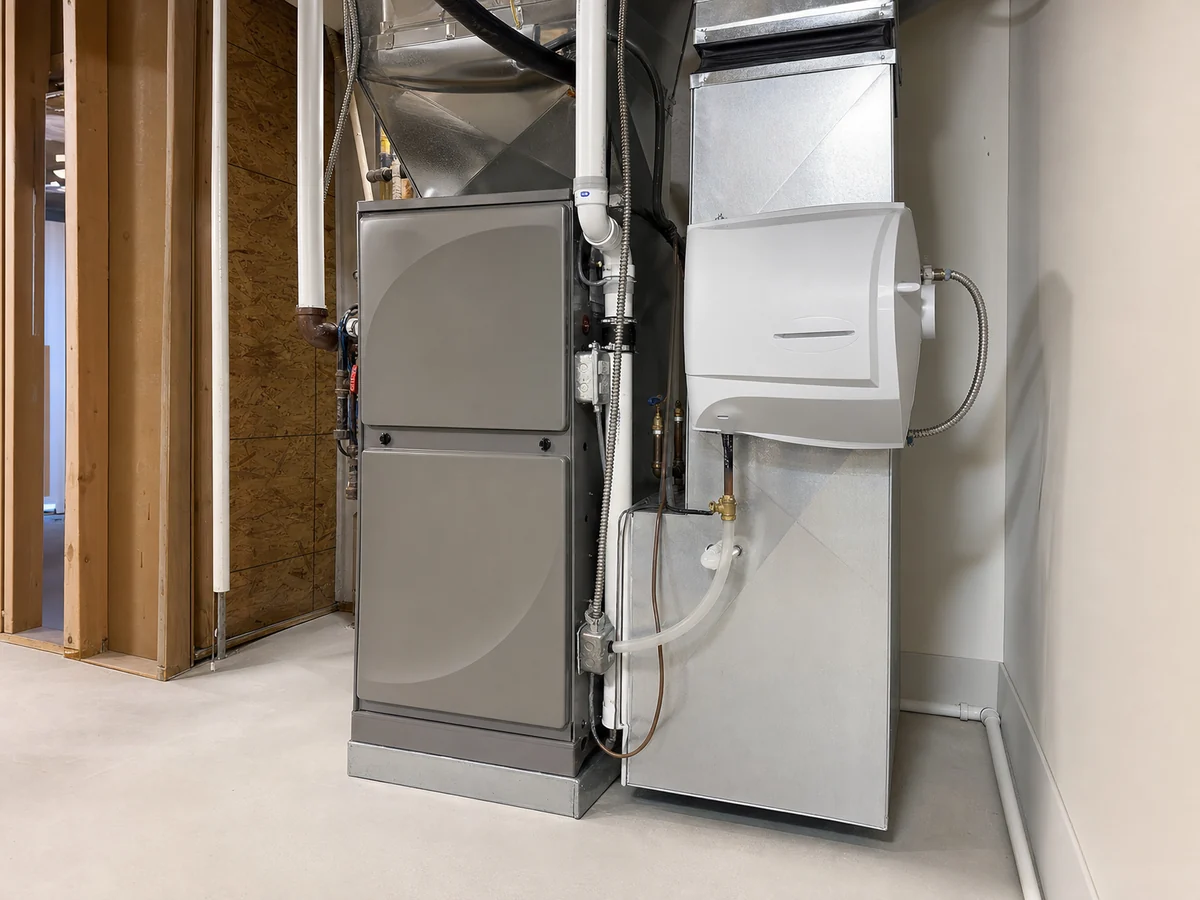
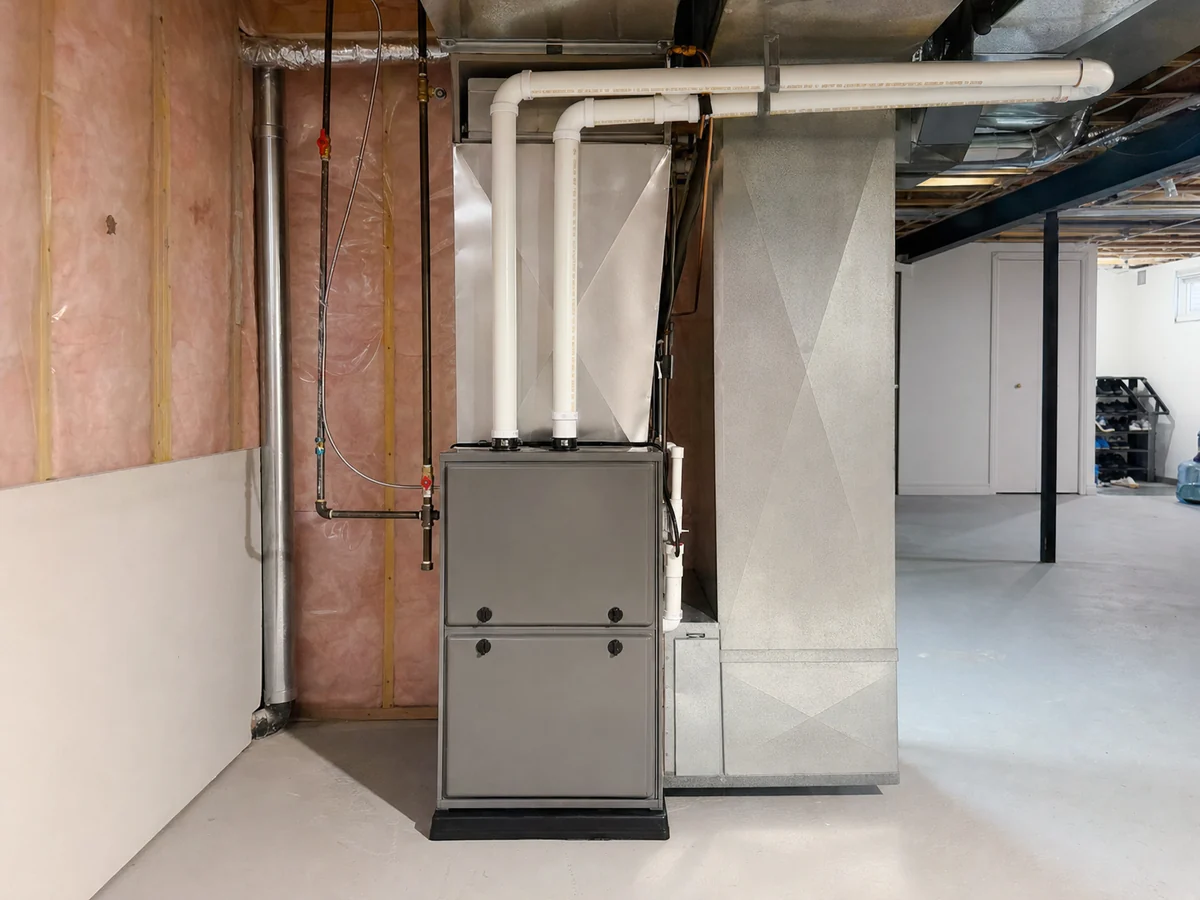
When replacement is the answer, the changeover is where the value is. Going from a mid-efficiency to a condensing furnace changes the venting entirely and adds a condensate drain; the existing chimney liner may need attention if a water heater was sharing it. Duct transitions, gas line capacity, and return air sizing all get checked rather than reused blindly. Cutting corners on any of those is what produces a noisy, short-cycling new furnace.
Most replacements are completed in a single day, with permits handled, the old unit removed, warranty registered, and financing available so a mid-winter failure does not have to come out of savings all at once.
Fifteen to twenty years old and starting to need parts is the window. Add rising gas bills, uneven heat, a noisy blower, or any sign of heat exchanger cracking, and replacement is usually both the cheaper and the safer decision. We inspect and quote the repair alongside the replacement so you see the real comparison.
Moving from an 80% furnace to a 96% condensing unit changes the venting entirely and adds a condensate drain. If a water heater was sharing the old chimney, the liner may need attention too. Skipping those steps is what produces a noisy, short-cycling, prematurely failing new furnace.
Duct transitions, return air sizing, and gas line capacity. A new high-efficiency furnace bolted onto undersized returns will be loud and will not deliver its rated performance. We measure rather than assume the existing setup was right.
Most replacements are done in a single day. We remove and dispose of the old unit, file the permit, register the warranty, and offer financing so a mid-winter failure does not have to come out of savings all at once.
“We switched from another plumbing and HVAC service to NorthPoint and we couldn’t be more happy. Their prices are more affordable, their people more knowledgeable, and they get to you fast — especially important when your AC blows out in the middle of summer!”
— B. Parker
“The techs are prompt, friendly and trustworthy. They are knowledgeable and professional, and they explain what they are doing instead of just handing you a bill. I highly recommend them.”
— Barbara K.
“Showed up the same afternoon and explained everything he was doing. Very thorough, polite and professional — and cleaned up the whole area afterward.”
— Aimee B.
Replacement usually beats another repair when:
Replacing is a chance to upgrade comfort and efficiency:
Plenty of Toronto homes run furnaces well past 15 years. Replacing before a February failure means you choose the right high-efficiency system calmly — with full rebate options and no emergency premium.
If it's 15+ years old, has a cracked heat exchanger, or needs a major repair, replacement is usually safer and more economical. We give you the numbers.
A high-efficiency furnace can meaningfully lower heating bills versus an old mid-efficiency unit, depending on usage and home.
Yes — it can leak carbon monoxide. A furnace with a cracked heat exchanger should be replaced, not patched.
High-efficiency furnaces often qualify for rebates. We identify what you're eligible for.
Most replacements are done in a single day.
Yes, and bundling is often the most cost-effective approach.