Cooling
Seasonal tune-ups that keep your system efficient, prevent surprise breakdowns, and protect your warranty.
Most of the emergency calls we take in Toronto were preventable. A capacitor drifting out of tolerance, a condenser coil packed with cottonwood and dryer lint, a filter that has not been changed since last season, a cracked condensate line, a flame sensor coated in residue — all of it is visible months before it becomes a no-heat or no-cool call on the worst possible day.
NorthPoint's maintenance service is a genuine inspection, not a five-minute filter swap. On the cooling side we clean the condenser coil, check refrigerant charge and superheat, test capacitors and contactors under load, measure amp draw against nameplate, verify temperature split and static pressure, and clear the condensate drain. On the heating side we inspect the heat exchanger, clean the burners and flame sensor, verify gas pressure and combustion, test all safety controls, and confirm proper venting.
You get a written report with actual measurements — not a vague thumbs-up. Anything trending toward failure is flagged with a clear explanation and a price, so you can plan the work on your schedule instead of ours.
Two visits a year — cooling in spring, heating in fall — keeps efficiency where it should be, protects your manufacturer warranty (most require documented annual service), and materially extends the life of equipment that costs thousands to replace.
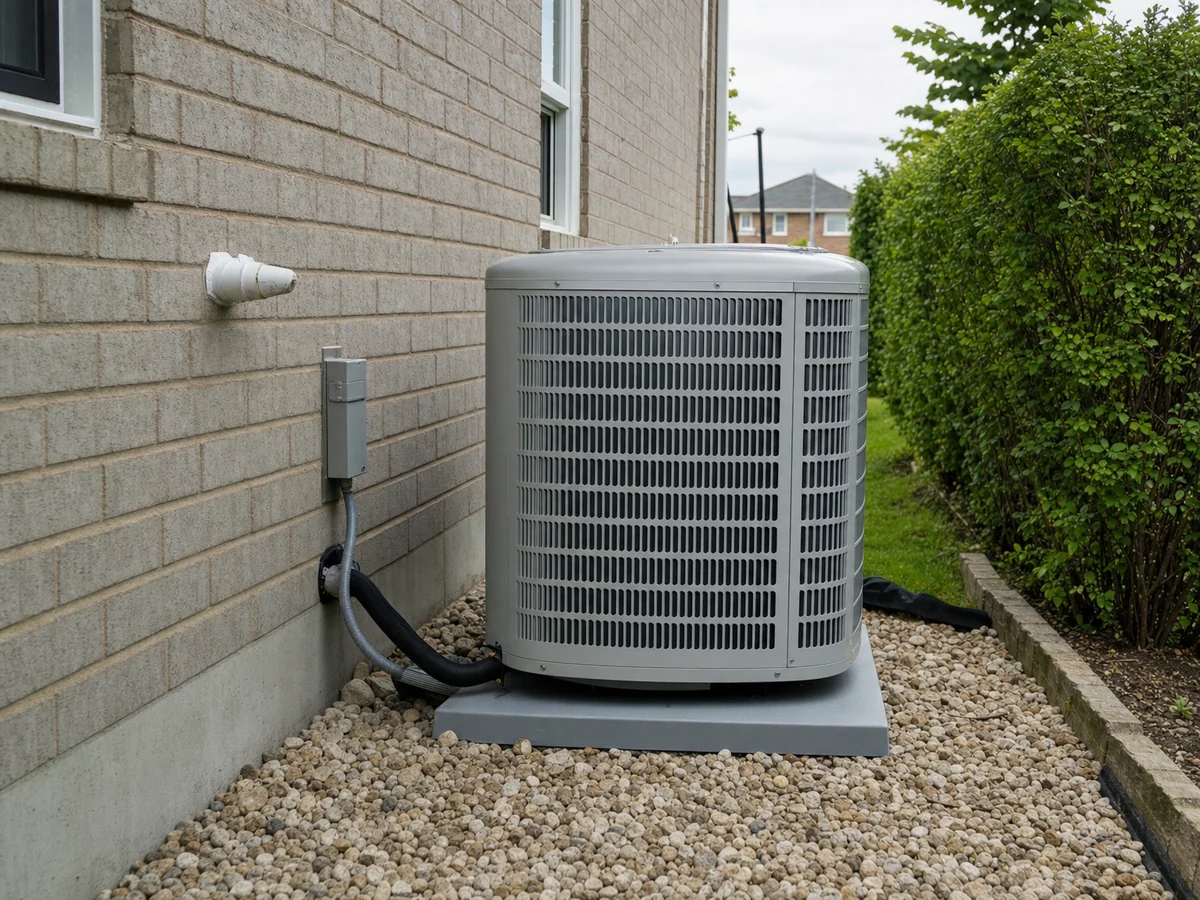
Condenser coil cleaned, refrigerant charge and superheat checked, capacitors and contactors tested under load, amp draw measured against the nameplate, temperature split and static pressure verified, and the condensate drain cleared. Cottonwood and dryer lint pack a Toronto condenser coil faster than most homeowners expect.
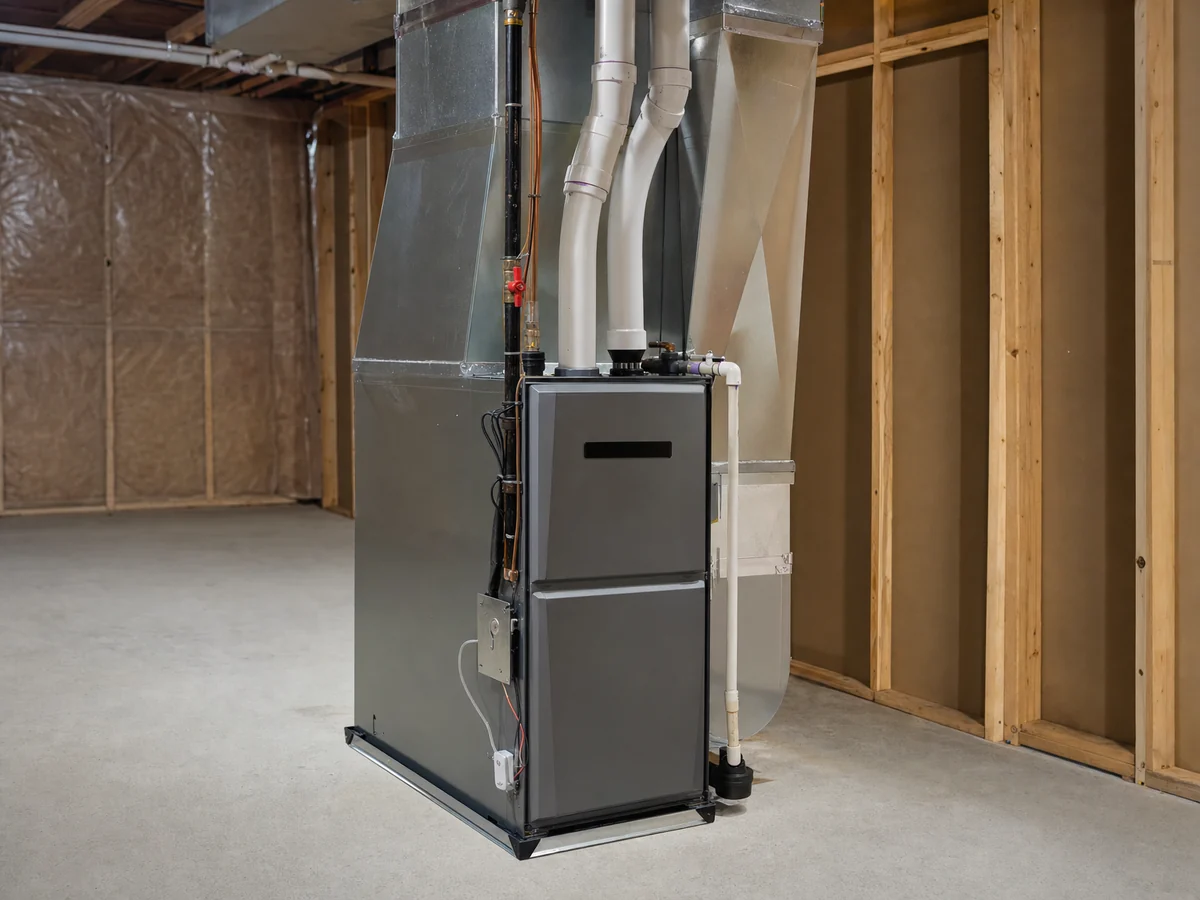
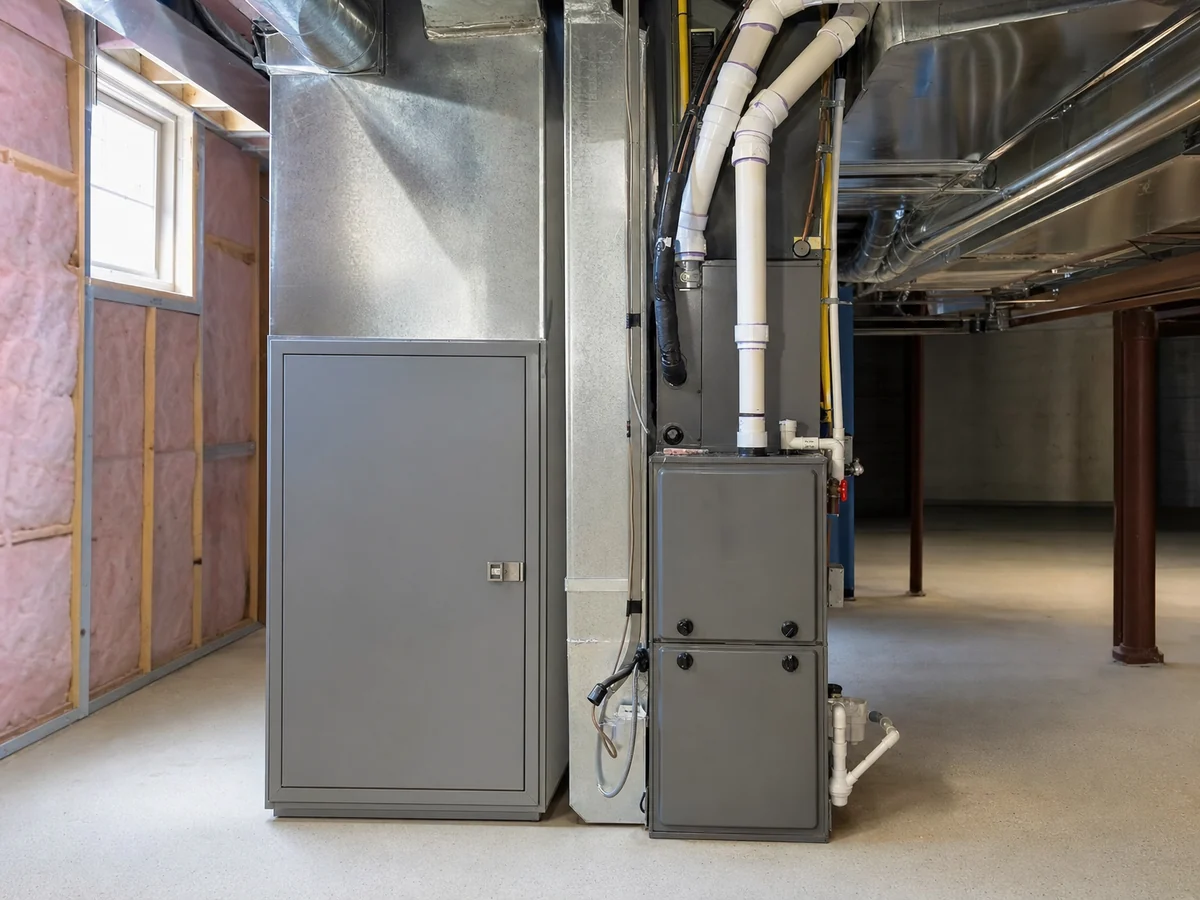
Heat exchanger inspected, burners and flame sensor cleaned, gas pressure and combustion verified, all safety controls tested, and venting confirmed clear. On a gas appliance this is a safety inspection as much as a performance one, and it is the part that most cheap tune-ups skip.
Every visit ends with a written report containing actual measurements. Anything trending toward failure is flagged with a plain explanation and a price, so you can plan the work on your schedule rather than during a heat warning or a cold snap.
Cooling in spring, heating in fall. Two visits keep efficiency where it should be, protect your manufacturer warranty (most require documented annual service), and catch the small failures — a drifting capacitor, a dirty flame sensor — that otherwise become the emergency call.
“We switched from another plumbing and HVAC service to NorthPoint and we couldn’t be more happy. Their prices are more affordable, their people more knowledgeable, and they get to you fast — especially important when your AC blows out in the middle of summer!”
— B. Parker
“The techs are prompt, friendly and trustworthy. They are knowledgeable and professional, and they explain what they are doing instead of just handing you a bill. I highly recommend them.”
— Barbara K.
“Showed up the same afternoon and explained everything he was doing. Very thorough, polite and professional — and cleaned up the whole area afterward.”
— Aimee B.
Skipping maintenance quietly costs you. Book a tune-up if:
Our maintenance keeps every part of your system in shape:
Toronto's climate swings from humid summers to hard winters, so your system works hard in both seasons. Twice-a-year maintenance — cooling in spring, heating in fall — keeps GTA equipment efficient and reliable through both extremes.
Twice a year is ideal: your AC or heat pump in spring, and your furnace in fall. At minimum, service each system annually.
Yes — a tuned system runs more efficiently, fails less often, and lasts longer, which lowers both energy and repair costs.
It can. Many manufacturers require documented annual maintenance to honour warranty claims.
We inspect, clean, and calibrate the system, check safety controls, and report on its condition.
Ask us about seasonal maintenance options that keep your system covered year-round.
Yes — clean coils, filters, and ductwork all contribute to healthier indoor air.